Snake Bite Treatment in Douglas
When a snake bites your dog or cat, every minute shapes the outcome. We're here to act fast. Ask us about a snakebite vaccination for dogs.
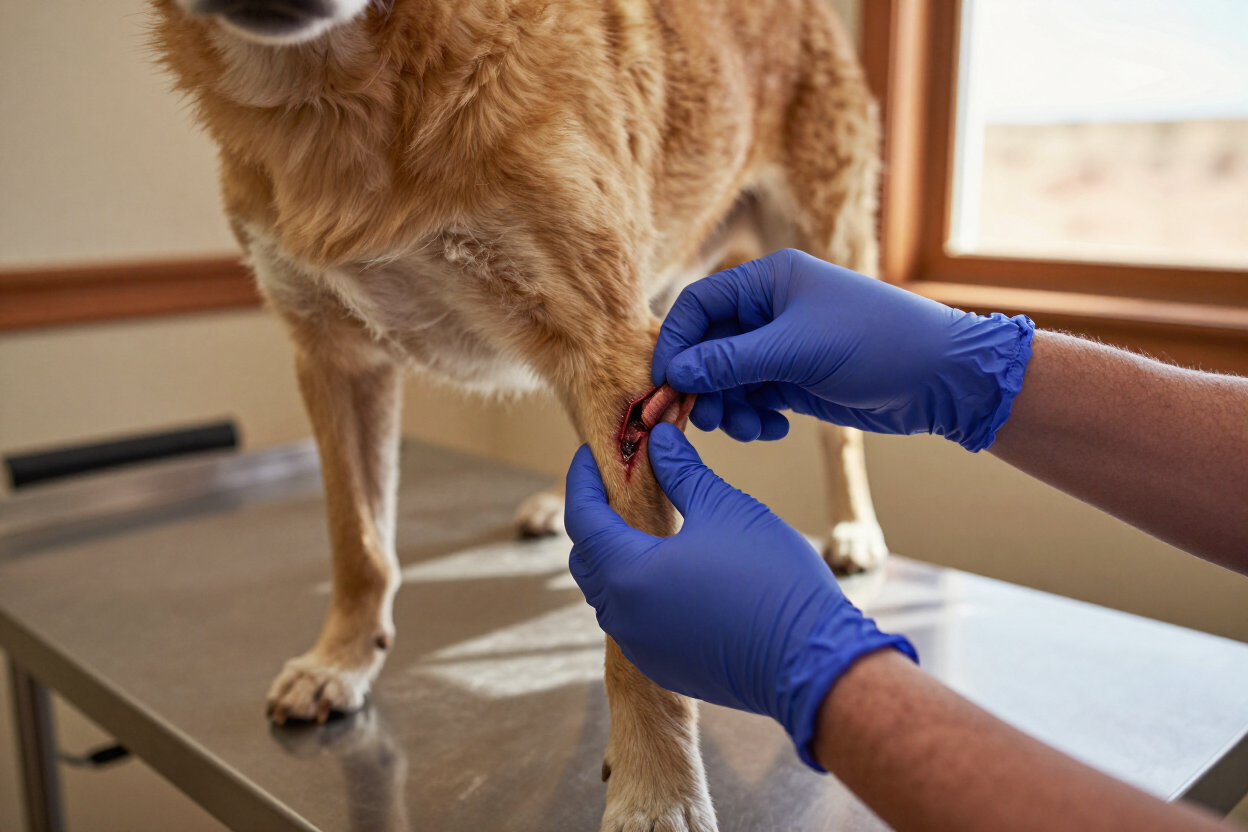
Snake Bite Treatment Requires Fast Veterinary Action
What Snake Bite Treatment for Dogs and Cats Involves
Snake bite treatment for dogs and cats involves immediate veterinary evaluation, wound assessment, antivenin administration when indicated, IV fluids, and supportive care to manage swelling, tissue damage, and systemic effects. Treatment must begin as quickly as possible after a bite occurs. The faster a pet receives care, the better the outcome.
Rattlesnakes and other venomous species, including the Western Diamondback, are common throughout the Douglas, AZ, area and surrounding Cochise County desert terrain. Pets explore the same ground where snakes shelter -- under rocks, in brush, along washes -- making bites a genuine seasonal risk for outdoor dogs and cats in this region. High Desert Veterinary Service in Douglas, AZ, provides snake bite treatment as part of its emergency and urgent care services. We've served the Douglas community for over 40 years, and we keep antivenin and supportive care supplies on hand. You can learn more about our full range of veterinary services at any time.
RATTLESNAKE COUNTRY
Rattlesnakes and Venomous Species Are a Real Risk in Cochise County
Which Snakes Pose the Greatest Threat to Pets in the Douglas, AZ, Region
The Western Diamondback Rattlesnake is the most common venomous snake threat in Cochise County, but the Mojave Rattlesnake and Black-tailed Rattlesnake are also present throughout the region. Snake activity peaks from late spring through early fall, roughly April through October, when warmer temperatures push snakes into the open terrain where pets roam. Dogs and cats are most often bitten on the face, muzzle, or front legs during curious sniffing or sudden encounters. The Douglas, AZ, desert landscape -- washes, rocky outcrops, and brushy margins -- is prime snake habitat year-round.
Dogs and cats that spend any time outdoors or near unfenced desert areas face real exposure risk here. Cats are often bitten at night, when rattlesnakes tend to be more active. Even pets that appear to survive a bite without immediate care can suffer severe tissue necrosis, organ damage, or secondary infections if treatment is delayed. Urban and northern-climate pets rarely encounter venomous snakes at this frequency, but it's part of daily life in southern Arizona. Knowing the warning signs and acting quickly can mean the difference between a full recovery and a serious, lasting injury. Speed is everything.
If Your Pet Is Bitten, Act Within Minutes
Exactly What to Do When a Snake Bites Your Dog or Cat
Call High Desert Veterinary Service immediately at (520) 364-3268. Don't wait to see whether symptoms develop -- by the time swelling becomes obvious, venom is already at work. Keep your pet as calm and still as possible, because movement speeds the spread of venom through the lymphatic system. Carry your pet rather than letting them walk if you can manage it safely. Note the time of the bite if you know it -- that information helps us calibrate the right treatment response from the moment you arrive.
Do not apply a tourniquet or attempt to cut and suck out the venom. Both measures cause direct harm and waste the critical minutes that make the biggest difference. Do not apply ice to the wound. Do not give your pet any medication on your own unless a veterinarian specifically instructs you to. Do not wait to see whether swelling develops before picking up the phone.
We have antivenin and IV fluids on hand at our Douglas clinic, and our team has treated venomous snake bites in dogs and cats throughout the Cochise County region for over 40 years. Fast action significantly improves outcomes. We're ready for your call.
5 Questions,
Answered.
Common Questions About Snake Bite Treatment in Douglas
How quickly do snake bite symptoms show up in dogs and cats?
Symptoms can appear within minutes to a few hours, depending on the snake species, the amount of venom injected, and the size of the pet. Early signs include swelling at the bite site, pain, drooling, weakness, and rapid breathing. Smaller pets typically show faster symptom progression, which makes immediate evaluation even more important.
Does every snake bite in a pet require antivenin?
Not every bite requires antivenin. Dry bites, where venom is not injected, occur in a percentage of cases, and mild envenomations may be managed with supportive care alone. A veterinarian must evaluate the bite to determine the correct treatment course. Pet owners should never assume a bite is minor without a clinical exam -- the stakes are too high.
How can I tell if a rattlesnake bit my dog or cat?
Rattlesnake bites typically cause rapid swelling, two small puncture wounds, intense pain at the site, and sometimes bruising or tissue discoloration. The face and front legs are the most commonly affected areas. Behavioral signs include lethargy, weakness, vomiting, and difficulty breathing. Any suspected bite warrants an immediate call to the vet -- don't wait for symptoms to worsen.
What does snake bite treatment for a dog or cat typically cost?
The cost depends on the severity of envenomation, whether antivenin is required, and how much supportive care the animal needs. High Desert Veterinary Service accepts CareCredit, checks, cash, and cards to help manage the expense. Owners are encouraged to call (520) 364-3268 to discuss their pet's situation and any payment questions before or on the way in.
Does High Desert Veterinary Service keep antivenin on hand for snake bites?
Yes. High Desert Veterinary Service maintains antivenin and supportive care supplies to treat venomous snake bites in dogs and cats. Given the prevalence of rattlesnakes in the Douglas, AZ, and Cochise County region, snake bite treatment is a service the practice has provided to the local community for over 40 years. We're prepared when you need us most.
Call Immediately If You Suspect a Snake Bite
Snake bites in the Sonoran Desert are a genuine emergency. Our team at High Desert Veterinary Service is equipped and experienced -- we've handled venomous snake bites in dogs and cats throughout the Douglas and Cochise County area for over 40 years. The most important thing you can do right now is call us at (520) 364-3268. Don't wait and see. Call first, then drive. We'll be ready for you.
High Desert Veterinary Service | 2555 E 9th St, Douglas, AZ 85607
Monday–Friday: 8:30 AM – 5:30 PM | Saturday–Sunday: Closed
Limited emergency service available 24/7 – call
(520) 364-3268


